
Gregory Peck
Biography
Eldred Gregory Peck (April 5, 1916 – June 12, 2003) was an American actor and one of the most popular film stars from the 1940s to the 1970s. In 1999, the American Film Institute named Peck the 12th-greatest male star of Classic Hollywood Cinema.
After studying at the Neighborhood Playhouse with Sanford Meisner, Peck began appearing in stage productions, acting in over 50 plays and three Broadway productions. He first gained critical success in The Keys of the Kingdom (1944), a John M. Stahl–directed drama which earned him his first Academy Award nomination. He starred in a series of successful films, including romantic-drama The Valley of Decision (1944), Alfred Hitchcock's Spellbound (1945), and family film The Yearling (1946). He encountered lukewarm commercial reviews at the end of the 1940s, his performances including The Paradine Case (1947) and The Great Sinner (1948). Peck reached global recognition in the 1950s and 1960s, appearing back-to-back in the book-to-film adaptation of Captain Horatio Hornblower (1951) and biblical drama David and Bathsheba (1951). He starred alongside Ava Gardner in The Snows of Kilimanjaro (1952) and Audrey Hepburn in Roman Holiday (1953), which earned Peck a Golden Globe award.
Other notable films in which he appeared include Moby Dick (1956, and its 1998 mini-series), The Guns of Navarone (1961), Cape Fear (1962, and its 1991 remake), The Omen (1976), and The Boys from Brazil (1978). Throughout his career, he often portrayed protagonists with "fiber" within a moral setting. Gentleman's Agreement (1947) centered on topics of antisemitism, while Peck's character in Twelve O'Clock High (1949) dealt with post-traumatic stress disorder during World War II. He won the Academy Award for Best Actor for his performance as Atticus Finch in To Kill a Mockingbird (1962), an adaptation of the modern classic of the same name which revolved around racial inequality, for which he received universal acclaim. In 1983, he starred opposite Christopher Plummer in The Scarlet and The Black as Hugh O'Flaherty, a Catholic priest who saved thousands of escaped Allied POWs and Jewish people in Rome during the Second World War.
Peck was also active in politics, challenging the House Un-American Activities Committee in 1947 and was regarded as a political opponent by President Richard Nixon. President Lyndon B. Johnson honored Peck with the Presidential Medal of Freedom in 1969 for his lifetime humanitarian efforts. Peck died in his sleep from bronchopneumonia at the age of 87.
Filmography

Gregory Peck, le gentleman acteur
2022
as Self (archive footage)
To Kill a Mockingbird: All Points of View
2022
as Archive Footage
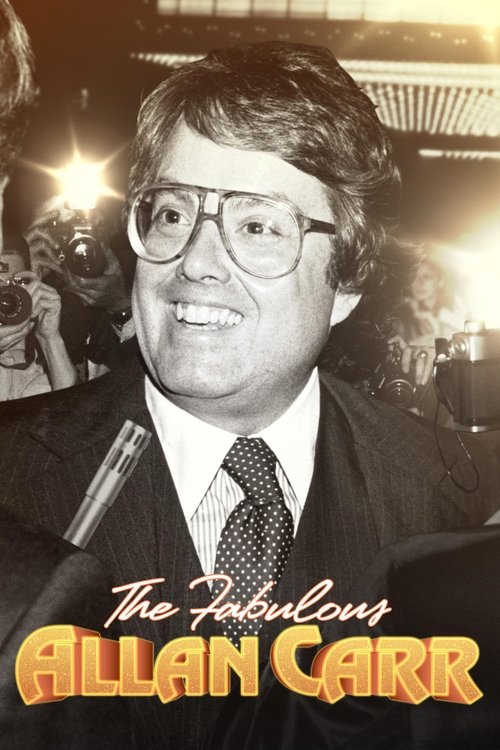
The Fabulous Allan Carr
2017
as Self (archive)
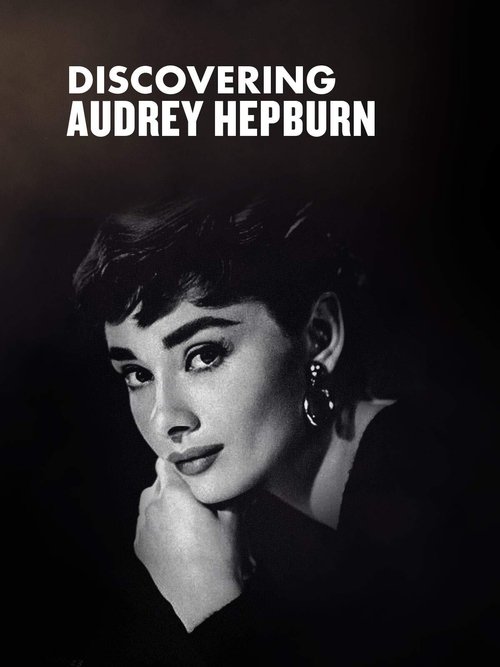
Discovering Audrey Hepburn
2015
as Self (archive footage)
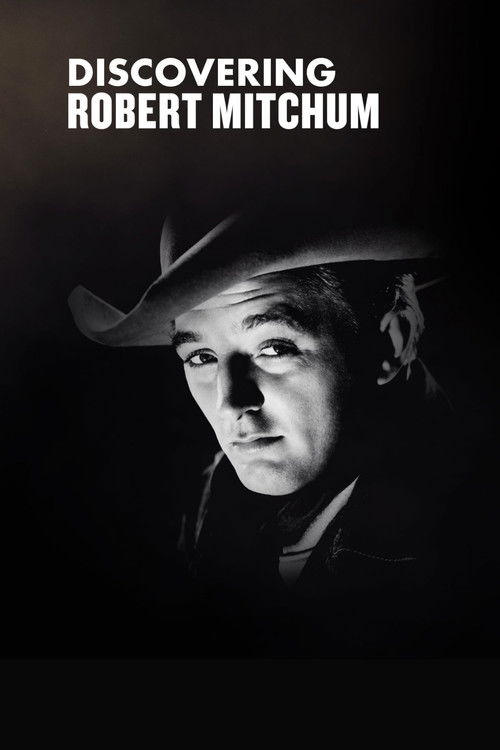
Discovering: Robert Mitchum
2014
as Self (archive footage)
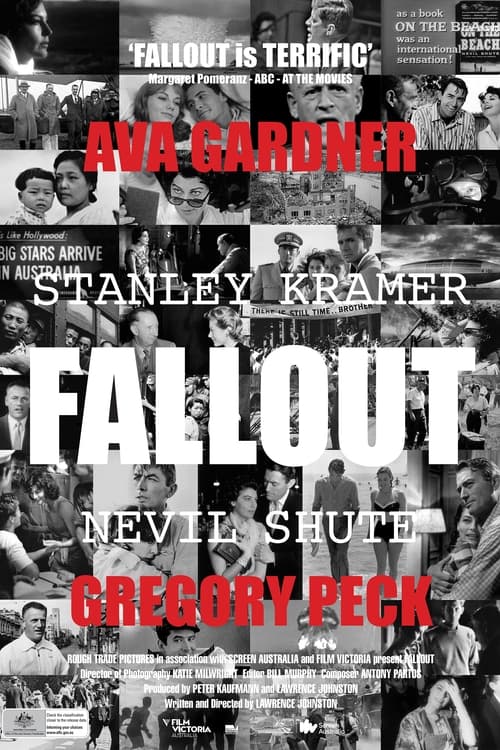
Fallout
2013
as Self (archive footage)

Close Up
2012
as Self (archive footage)
The Curse of 'The Omen'
2005
as Self (archive footage)
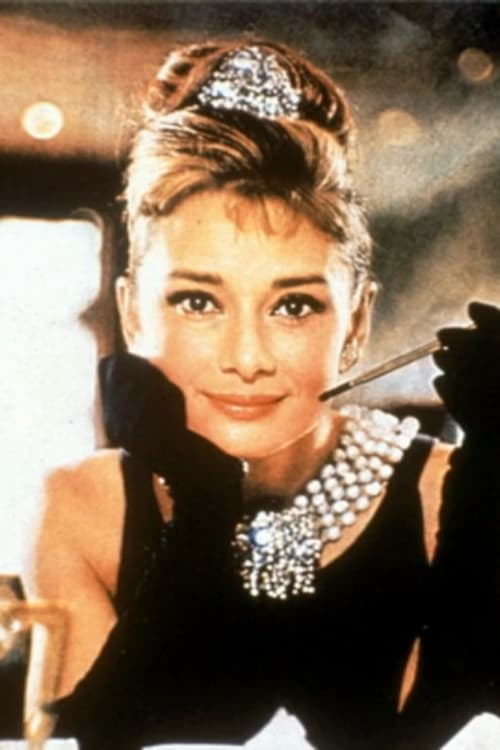
Legenden: Audrey Hepburn
2005
as Self (archive footage)
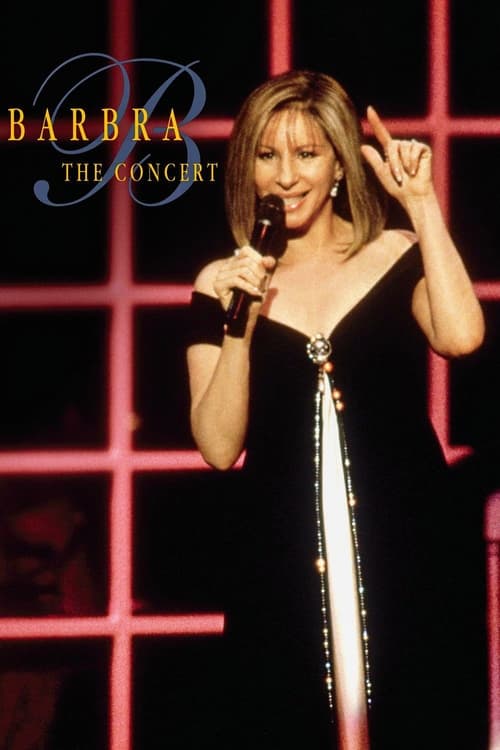
Barbra Streisand: The Concert - Live at the MGM Grand
2004
as Self
Edith Head: The Paramount Years
2002
as Self (archive footage)
Restoring Roman Holiday
2002
as Joe Bradley (archive footage)
From Russia to Hollywood: The 100-Year Odyssey of Chekhov and Shdanoff
2002
as Self / Narrator (voice)
Backstory: 'Gentleman's Agreement'
2001
as Self (archive footage)
The Making of 'Cape Fear'
2001
as Self
The Making of 'Cape Fear'
2001
as Self
American Prophet: The Story of Joseph Smith
1999
as Narrator
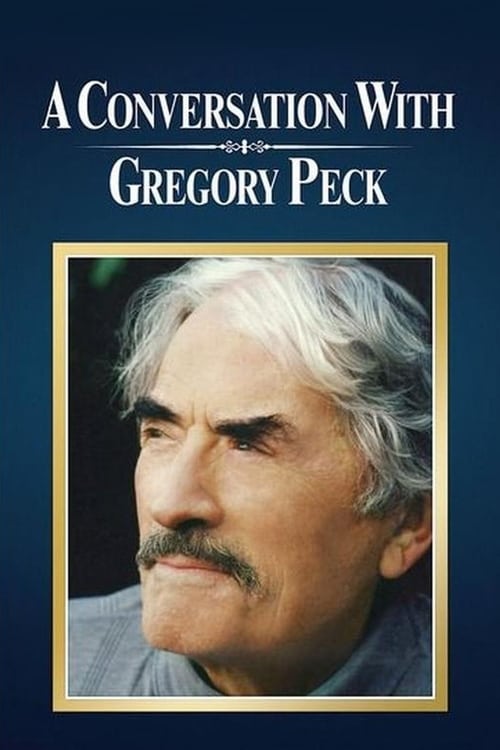
A Conversation with Gregory Peck
1999
as Self
- No poster
Hitchcock, Selznick and the End of Hollywood
1999
as Self (archive footage)
- No poster
Intimate Portrait: Lauren Bacall
1999
as Self
Fearful Symmetry
1998
as Self
Jack Lemmon: America's Everyman
1996
as Self

Ingrid Bergman Remembered
1996
as Self (archive footage)
Sinatra: 80 Years My Way
1995
as Self - Presenter