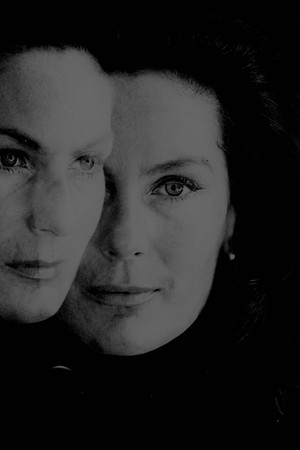
Marie Louise Alemann
Biography
Marie Louise Alemann (1927–2015) was born in Germany and moved to Argentina in 1949. She worked as a photographer, journalist, and visual artist, and was one of the pioneers of Argentine experimental cinema. In 1967, she co-founded the Argentine Experimental Cinema Group (Grupo Cine Experimental Argentino) at the Goethe-Institut Buenos Aires, which became a vital space for the exhibition, discussion, and development of experimental filmmaking in Argentina. Between 1967 and 1985, she directed at least 35 short films. Her work is particularly notable for its exploration of clandestinity and the representation of the body. In many of her films, Alemann appears alongside other performers in staged or improvised settings, both urban and rural, using costumes and objects that can seem strange, threatening, or humorous, arranged within visual compositions ranging from decorative to minimalist. Alemann was interested in the camera's ability to capture and transform aspects of the identity of the person being filmed. By focusing on masks, faces, and bodies in motion, she explored questions of identity and role-playing, often creating psychological tension through ambiguity. From 1979 to 1985, she also served as the Goethe-Institut's film programmer in Buenos Aires, where she introduced Argentine audiences to the New German Cinema through the work of filmmakers including Rainer Werner Fassbinder, Werner Herzog, Werner Nekes, and Werner Schroeter.
Filmography
- No poster
MLA
2017
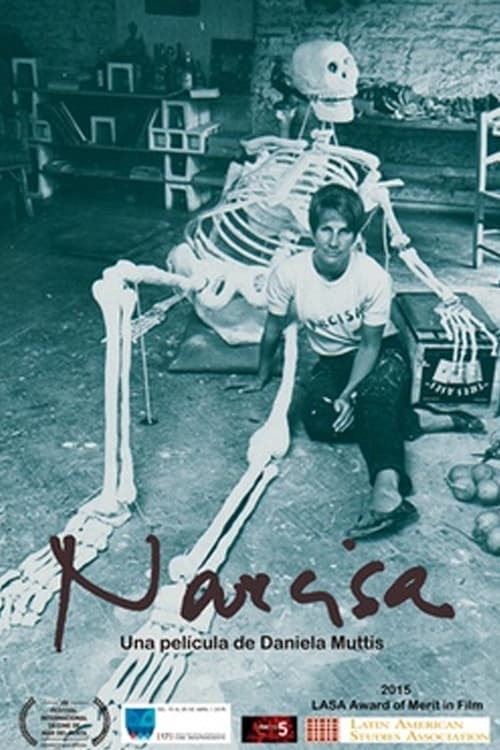
Narcisa
2014
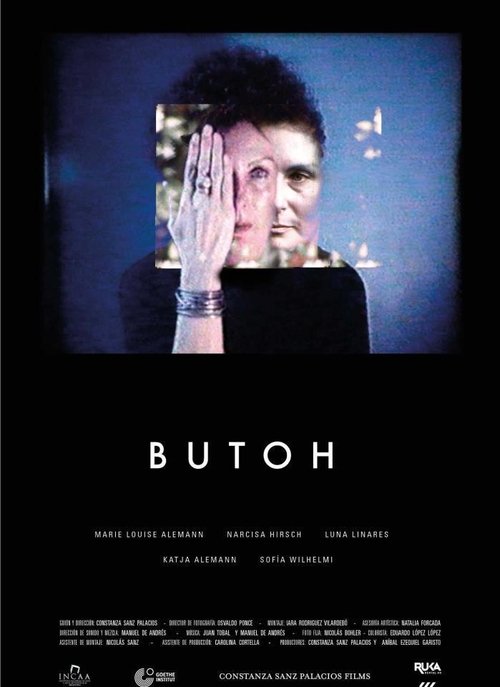
Butoh
2013
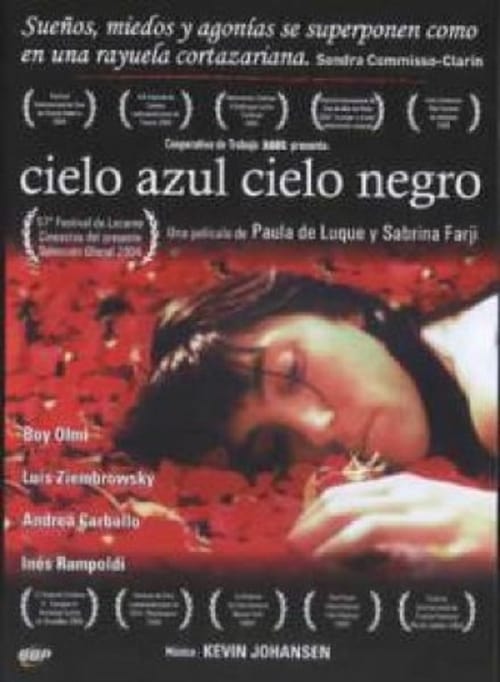
Cielo azul, cielo negro
2005
- No poster
Cinématon XII
1981
as N°115
Self-Defense
1980
Surely Bach Closed the Door When He Wanted to Work
1979
as Ella misma

Sensation '77: Mimicry
1977
- No poster
Untitled
1975
as Herself
Autobiográfico 2
1974
as Herself
The Bridge
1972
Clime
1972
Yo veo conejos
1967